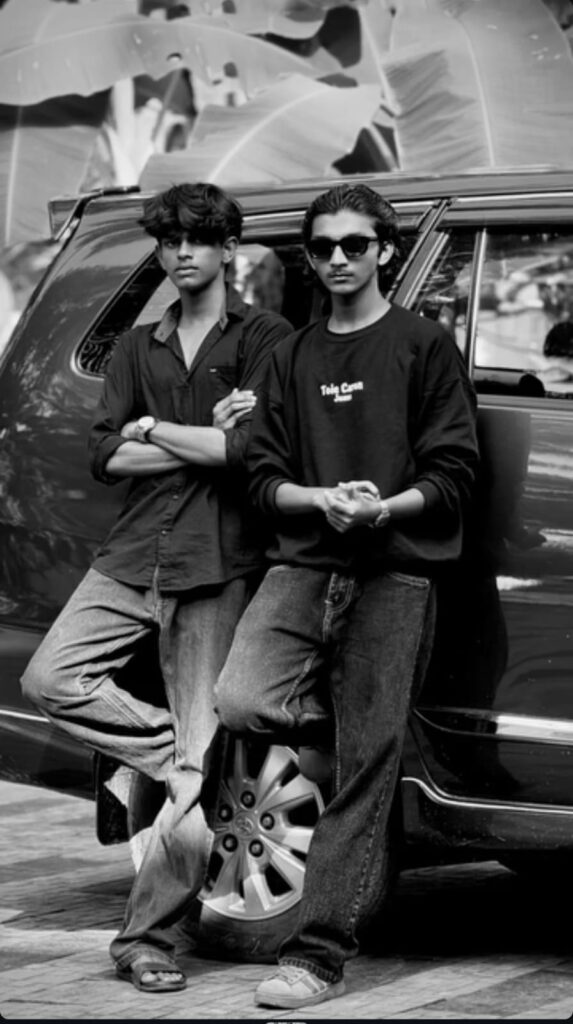
Gens Wear Like Let’s get one thing straight: layering isn’t just for warmth—it’s a full-blown art form. And when it comes to Gens wear, the layering game can make or break your whole fit. Whether you’re going for effortless street, edgy tech, or soft-grunge with flavor, the right combo of textures, lengths, and tones will turn heads without even trying.
Ready to level up? Here’s your ultimate guide to layering Gens wear like a straight-up pro.
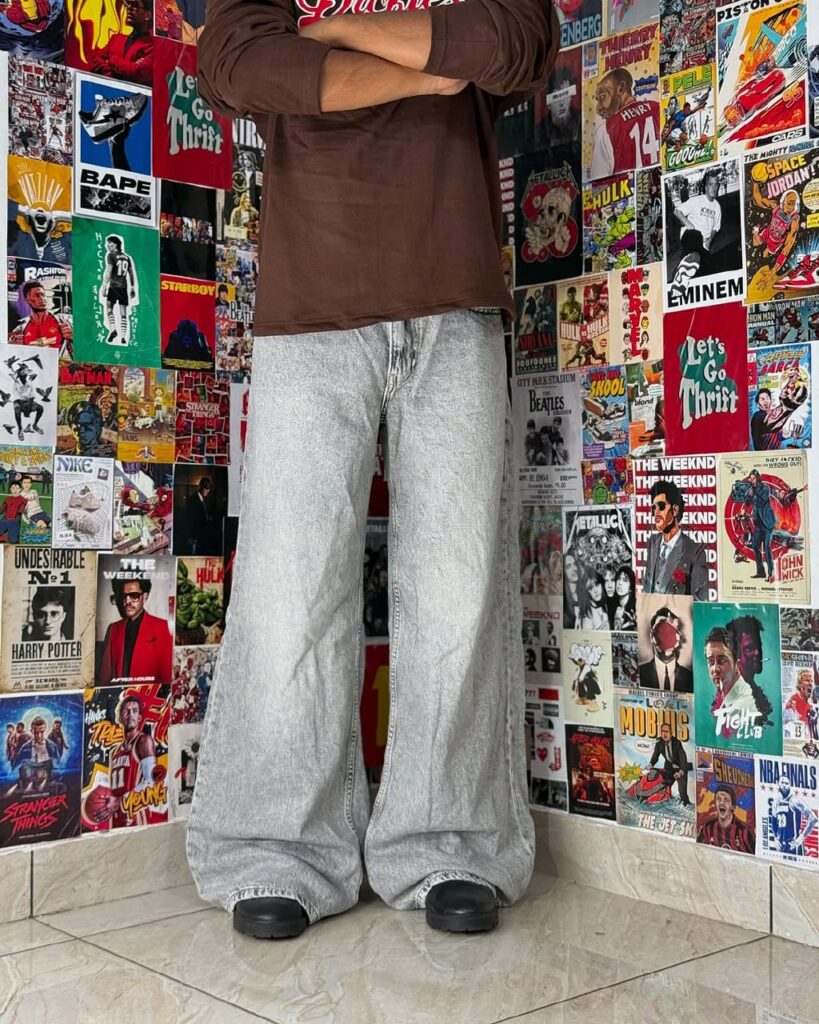
Start with the Right Base
Gens Wear Like Your base layer sets the tone. Think oversized tees, fitted crop tops, long sleeves, or mesh underlays. Keep it breathable, because it’s the layer that touches your skin all day.
Pro tip: Go with neutrals if your top layers are bold. Or flip it — make the base pop and mute the layers above. Gens Wear Like
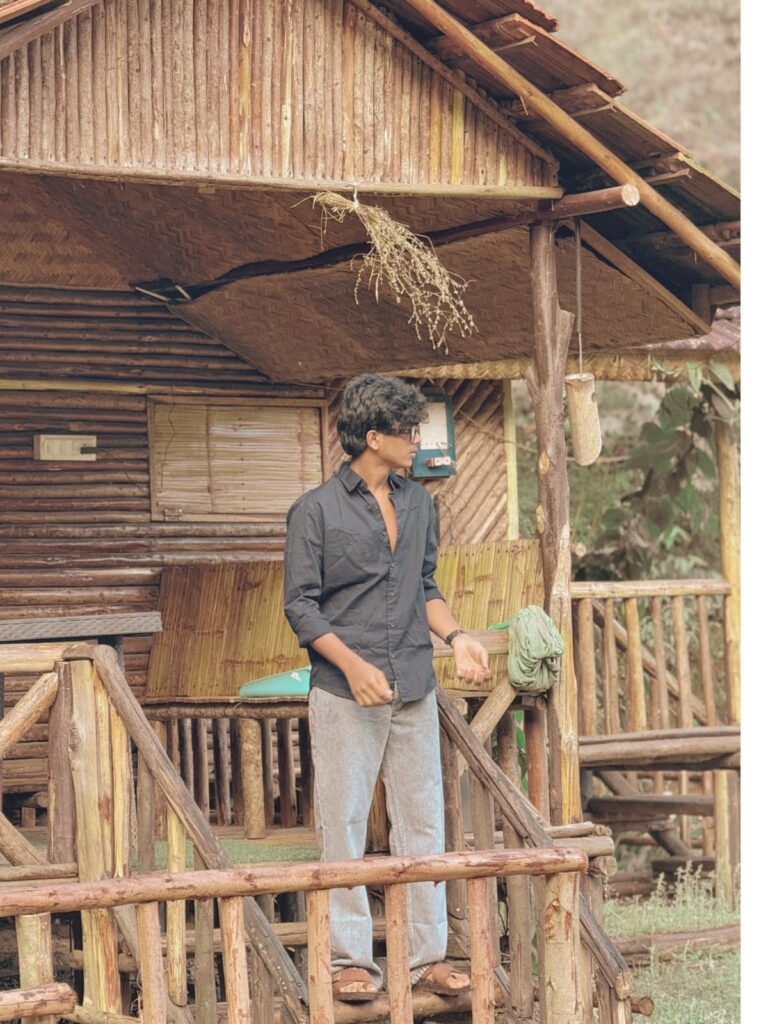
Play with Lengths and Proportions
Gens Wear Like Layering is all about creating visual flow. Mix short and long pieces to add dimension. Think: longline tee under a cropped hoodie, or an oversized flannel over a tucked-in tank.
Why it works: It keeps the silhouette dynamic and adds instant streetwear energy.
Mix Textures Like a Stylist
Gens Wear Like The real pros mix materials. Pair soft knits with heavy denim, smooth nylon with distressed cotton, or even mesh with leather. It keeps the outfit rich and interesting.
Combo to try: Cargo vest (nylon) + ribbed tank (cotton) + wide-leg denim (canvas) = certified fire.
Stack Outerwear Like a Boss
Gens Wear LikeDon’t stop at one jacket. Layer a hoodie under a bomber, or a zip-up under a trench. Layering jackets is high-key the move in colder seasons—and even better when you play with silhouettes.
Power combo: Oversized hoodie + utility vest + puffer or trench = urban armor.
Keep the Color Palette Cohesive (or Intentionally Clashed)
Gens Wear Like
A pro knows how to control the chaos. Choose complementary tones (earthy neutrals, all black, pastel blends) or go bold with color blocking. But make it look intentional, not accidental.
Safe route: Stick to 2–3 tones max.
Bold move: Clash prints or colors with one “anchor” neutral piece to balance it out.
Accessorize with Intention
Gens Wear Like Accessories are part of your layer game too. Think crossbody bags, harnesses, layered chains, beanies, or even detachable sleeves. They add utility and flair.
Vibe upgrade: A carabiner key clip, fingerless gloves, or layered chains can pull the whole fit together without trying too hard.
Deconstruct and Rebuild
Gens Wear LikeSometimes the dopest layered fits come from breaking the rules. Layer shorts over pants. Rock a skirt over cargo trousers. Wear a button-up open over a hoodie and under a trench. Gens wear isn’t about following fashion—it’s about flipping it.Gens Wear Like
The Rule: If it feels like “too much,” you’re probably doing it right.Gens Wear Like
Final Word
Understanding Texture in Fashion
Texture in fashion design refers to the surface interest of a fabric, influenced by the weave and light reflection. Our eyes delight in the interplay of light on smooth or rough surfaces, while our hands can feel the textures. Some adjectives used to describe textures are smooth, fuzzy, furry, shiny, dull, bulky, rough, crisp, heavy, and thin. The texture of the fabrics depends on many factors, like the quality of the fibers, the process used in making fabrics, or finishes applied to the fibers, yarn, or fabrics. The texture of the finished garment can be changed by different fabric manipulation techniques (ruching, smocking, trapunto, etc.). Disha Fashion Institute
The Importance of Mixing Textures
Mixing textures successfully is all about balance. Pairing too many contrasting textures can overwhelm an outfit, while not enough variation can make it look flat. While contrasting textures add interest, they should still feel cohesive. For example, pairing a chunky knit sweater with a sleek leather skirt creates contrast, but the overall look remains harmonious. Pinks Fashion
Techniques for Mixing Textures
1. Layering Different Fabrics
Layering is a practical and stylish way to mix textures, especially during colder seasons. Start with a basic layer, such as a ribbed turtleneck or a cotton tee, as the foundation of your outfit. Add a second layer with a different texture, like a chunky knit cardigan or a denim jacket. Finish with a coat or jacket in a contrasting texture, such as wool, leather, or faux fur. Pinks Fashion+1velvetimagelab+1
2. Combining Opposite Textures
One of the most effective ways to mix textures is by pairing opposites, creating striking contrasts that draw the eye. Match delicate lace with tough leather for an edgy yet feminine look. Combine shiny textures like satin or metallics with matte fabrics like denim or suede. Wear a smooth silk camisole with a textured knit cardigan for a balanced outfit. Pinks Fashion
3. Elevating Formal Attire with Texture
Texture is also a powerful tool for enhancing formal or professional outfits, adding sophistication and individuality. Pair a sleek silk blouse with velvet trousers or a blazer for a luxurious evening look. Incorporate structured tweed skirts or jackets with leather boots or gloves for a polished yet modern outfit. Balance the sparkle of sequins with matte textures like wool or crepe to create a refined and elegant look. Pinks Fashion
Texture and Color Interaction
Texture plays a crucial role in influencing the appearance of color in fabrics. Rough textures tend to absorb light, resulting in flat and subdued colors. On the other hand, smooth textures reflect light, making colors appear brighter and more vibrant. For instance, a shiny vinyl or satin fabric can enhance the brightness of a color, while rough wool or suede may tone it down. Vaia+3Disha Fashion Institute+3fabricbysinghanias+3
Conclusion
In the world of fashion design, many designers prioritize selecting fabrics based on texture before creating their design sketches. The allure of texture often serves as inspiration, with designers seeking to find the perfect fit for their artistic vision. Moreover, texture possesses the ability to create optical illusions, influencing the perception of narrowness or fullness in the wearer. Similar to the effects achieved by lines, patterns, and colors, texture can impact the overall appearance of a silhouette, giving it a voluminous or slender aesthetic depending on the roughness or smoothness of the materials used. Disha Fashion Institute
The Power of Confidence in Fashion
Confidence in fashion is about more than just appearance; it’s a reflection of self-expression and authenticity. When you wear clothes that resonate with your identity, you project a sense of assurance that others can perceive. This self-assuredness can influence how you’re perceived in various aspects of life, from professional settings to social interactions.
Building Confidence Through Layering
1. Start with Familiar Foundations
Begin by layering pieces you’re comfortable with. This could be a favorite t-shirt, a well-fitted pair of jeans, or a go-to jacket. Starting with familiar items provides a solid base upon which you can experiment with new combinations.
2. Experiment Gradually
Introduce new elements to your layered outfits incrementally. Try adding a scarf with a bold pattern or a vest in a contrasting texture. Gradual experimentation allows you to assess what works for you without feeling overwhelmed.
3. Embrace Personal Expression
Use layering as a means to express your personality. Whether it’s through color choices, fabric textures, or accessory selections, let your layers tell your story. This personal touch not only enhances your style but also boosts your confidence.
Overcoming Style Insecurities
It’s natural to feel uncertain when trying new styles or combinations. To overcome this:
- Seek Inspiration: Look to fashion blogs, magazines, or social media for ideas.
- Practice Self-Compassion: Understand that style is a journey, and it’s okay to have hits and misses.
- Celebrate Small Wins: Acknowledge when a new layering combination works well, reinforcing positive feelings about your style choices.
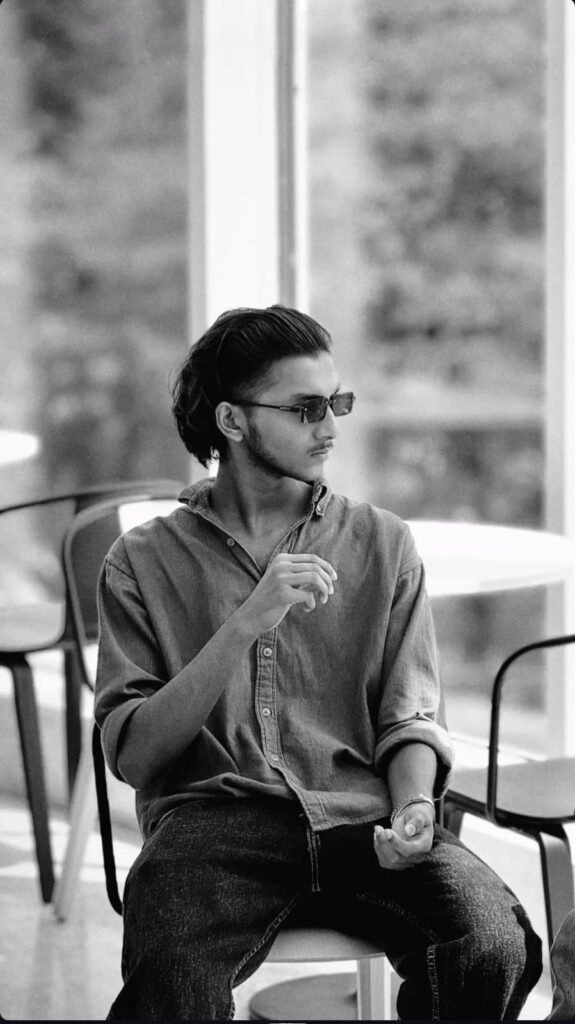
The Psychological Impact of Dressing with Confidence
Dressing confidently can have a profound effect on your mental state. When you feel good in what you’re wearing, it can elevate your mood, increase your self-esteem, and positively influence your interactions with others. This phenomenon underscores the importance of aligning your wardrobe with your personal identity.
Conclusion
Owning your style through confident layering is a dynamic process that intertwines self-awareness, experimentation, and personal expression. By starting with familiar pieces, gradually introducing new elements, and embracing your unique fashion narrative, you can build a wardrobe that not only looks good but also feels authentically you. Remember, the most compelling aspect of any outfit is the confidence with which it’s worn.
The Formula: Texture + Tone + Shape + Confidence = Gens-Level Layering
1. Texture: Crafting Depth and Dimension
Mixing textures is pivotal in creating visually engaging outfits. Pair rugged denim with soft knits, or combine silky fabrics with leather to add contrast and interest. This interplay not only adds depth but also showcases your sartorial creativity.
2. Tone: Harmonizing or Contrasting Colors
Gens Wear Like A cohesive color palette can unify your layers, while intentional clashes can make a bold statement. Experiment with earthy neutrals, monochromatic schemes, or vibrant color blocking to reflect your mood and personality.
3. Shape: Balancing Proportions
Gens Wear Like Layering is an opportunity to play with silhouettes. Combine oversized pieces with fitted garments to create balance. For instance, an oversized hoodie paired with slim jeans can offer a relaxed yet structured look.
4. Confidence: Owning Your le
Ultimately, the key to successful layering is confidence. Wear your combinations with assurance, and don’t shy away from experimenting with unconventional pairings. Your confidence will elevate your ensemble from stylish to iconic.
🧱 Building Your Layered Look: A Step-by-Step Guide
Step 1: Start with a Solid BasezBegin with foundational pieces like oversized tees, fitted crop tops, or mesh underlays. These items set the tone for your outfit and provide comfort throughout the day.
Step 2: Introduce Mid-Layers
Add dimension with mid-layers such as flannel shirts, lightweight hoodies, or denim jackets. These pieces offer versatility and can be easily added or removed as needed.
Step 3: Top it Off with Outerwear
Complete your look with outer layers like trench coats, leather jackets, or oversized blazers. These elements not only provide warmth but also serve as statement pieces.
Step 4: Accessorize Thoughtfully
Enhance your layered outfit with accessories such as belts, scarves, or layered necklaces. These additions can add flair and further personalize your ensemble.
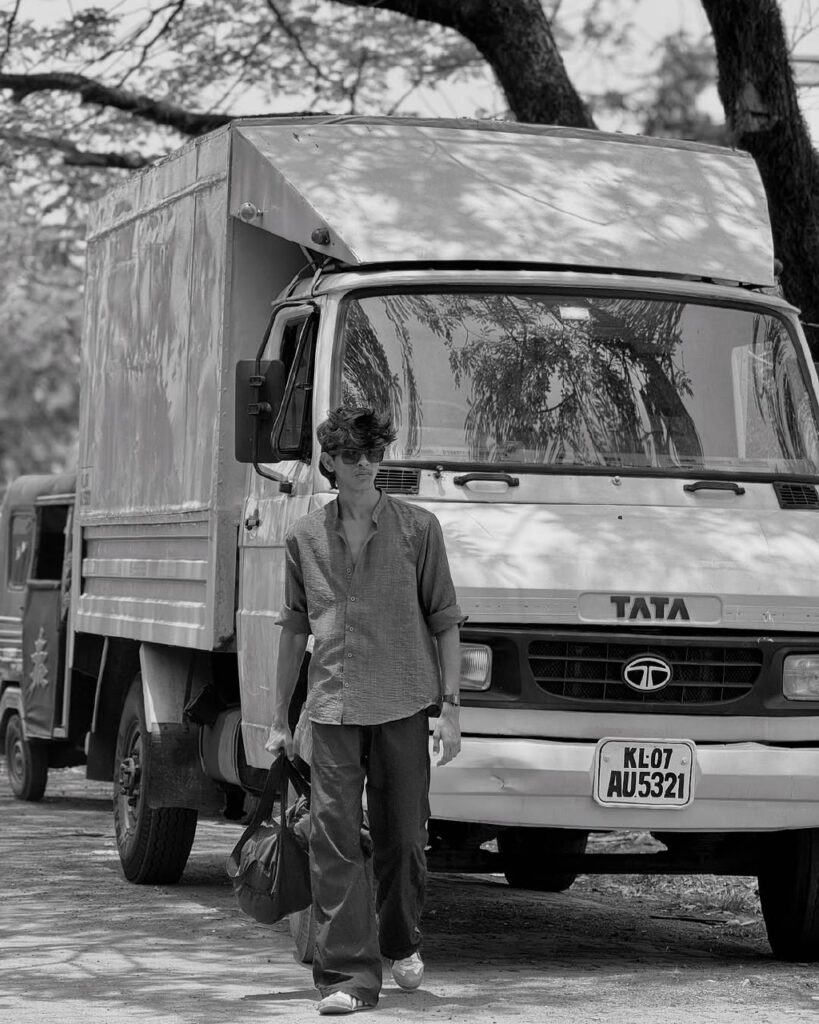
🔄 Advanced Techniques: Pushing the Boundaries
Deconstruct and Rebuild
Challenge traditional norms by layering shorts over pants or wearing a skirt over cargo trousers. This approach adds an avant-garde edge to your outfit.
Sandwich Dressing
This technique involves matching the color of your top and shoes while using a contrasting color for your pants or coat, creating a balanced and intentional look.
Play with Sheer Fabrics
Incorporate sheer tops or overlays to add a delicate layer that offers both coverage and a glimpse of what’s underneath, adding intrigue to your outfit.

📸 Share Your Style
Embrace the art of layering and showcase your unique Gens wear combinations. Whether you’re experimenting with textures, tones, or unconventional pairings, your creativity contributes to the evolving narrative of fashion.
Remember, layering in Gens wear is more than assembling clothes—it’s about expressing your identity and confidence through thoughtful combinations. Embrace the process, experiment boldly, and let your layers tell your story.